
Unearthing the rich history of casinos From ancient origins to modern allure
The Beginnings of Gambling
The roots of gambling can be traced back to ancient civilizations, where the act of betting on games or outcomes became a common pastime. In China, around 2300 B.C., the earliest forms of gambling were documented with tiles believed to be used in games of chance. Similarly, ancient Romans engaged in various gambling activities, utilizing dice and betting on gladiatorial contests. These early forms laid the groundwork for what would eventually evolve into modern casino culture. As players today explore the offerings of these venues, they may refer to a payid casino guide to enhance their experience.
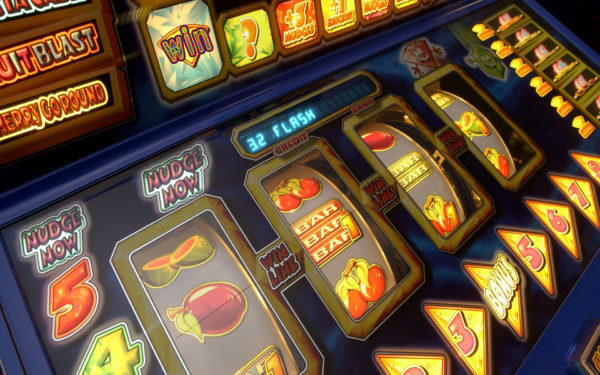
The psychological appeal of gambling is evident from these early times, as individuals sought the thrill of chance and the potential for reward. This allure has transcended cultures and eras, revealing a deep-seated fascination with luck and fortune that continues to this day. Ancient artifacts and texts show that gambling was not merely a pastime, but also held societal significance, often intertwined with religious and cultural practices.
The Birth of Formal Casinos
The establishment of formal casinos can be attributed to the rise of gambling in Europe during the 17th century. The first recorded casino, the Ridotto, opened its doors in Venice in 1638, providing a controlled environment for games of chance. This innovation marked a significant shift, as the legal recognition of gambling began to offer both structure and legitimacy to the practice.
As casinos spread across Europe, they became social hubs where the upper class would gather, enhancing the experience of gambling with luxury and opulence. The architectural designs of these early casinos were grand, featuring ornate furnishings and elegant decor that contributed to their allure. This era not only shaped the physicality of casinos but also influenced gambling psychology, as patrons associated wealth and status with the act of betting.
The Evolution of Casino Culture
The 19th century witnessed a transformation in casino culture, particularly with the rise of casinos in Monte Carlo and the development of new games. The introduction of the roulette wheel and modern card games revolutionized the gambling landscape, attracting a wider audience. The thrill of these games, combined with the glamorous atmosphere of casinos, created a distinct culture that emphasized not only chance but also strategy and skill.
This evolution further solidified the casino’s role in society, as it became synonymous with entertainment and leisure. The psychology of gambling began to be studied more closely during this period, with a growing understanding of risk-taking behavior and the desire for escapism that these establishments provided. Players were drawn not just to the potential monetary gains, but also to the social interactions and experiences that casinos offered.
The Rise of Online Gambling
With the advent of the internet in the late 20th century, the gambling landscape underwent another radical transformation. The emergence of online casinos revolutionized how players engaged with gambling, allowing access to games from the comfort of their homes. This shift was significant, as it broke down geographical barriers and opened up the world of gambling to a global audience.
Online casinos quickly adapted traditional games to the digital format, enhancing user experience through innovative graphics and interactive features. The psychological aspect of online gambling has become a field of study in itself, exploring how technology affects player behavior, engagement, and the sense of community. The convenience and accessibility of online casinos have made them an integral part of modern gambling culture.

Modern Casinos and Their Allure
Today, casinos continue to thrive, blending tradition with modernity. The architectural marvels that house these establishments reflect a mix of luxury, technology, and entertainment, creating an immersive experience for visitors. From Las Vegas to Macau, modern casinos offer a vast array of gaming options, live entertainment, and lavish dining experiences that cater to a diverse clientele.
The allure of casinos lies not only in the games but in the entire experience they provide. With the psychological thrill of winning, the excitement of live events, and the social aspects of gambling, modern casinos appeal to a broad range of individuals. As technology continues to advance, the future of casinos promises to be even more engaging, with innovations such as virtual reality gaming and sophisticated loyalty programs enhancing the player experience.