
The Thrill of Anticipation
One of the primary psychological factors that draw players to casinos is the thrill of anticipation. The excitement that builds up before the outcome of a game triggers a release of dopamine in the brain, a neurotransmitter associated with pleasure and reward. This anticipation can create a euphoric experience, keeping players engaged and eager to play more. For instance, the best online casino california can also evoke this thrilling sense of waiting, where uncertainty fuels the excitement of every bet placed. The unpredictability of each game means that players never fully know what to expect, which adds to the excitement and allure of gambling.
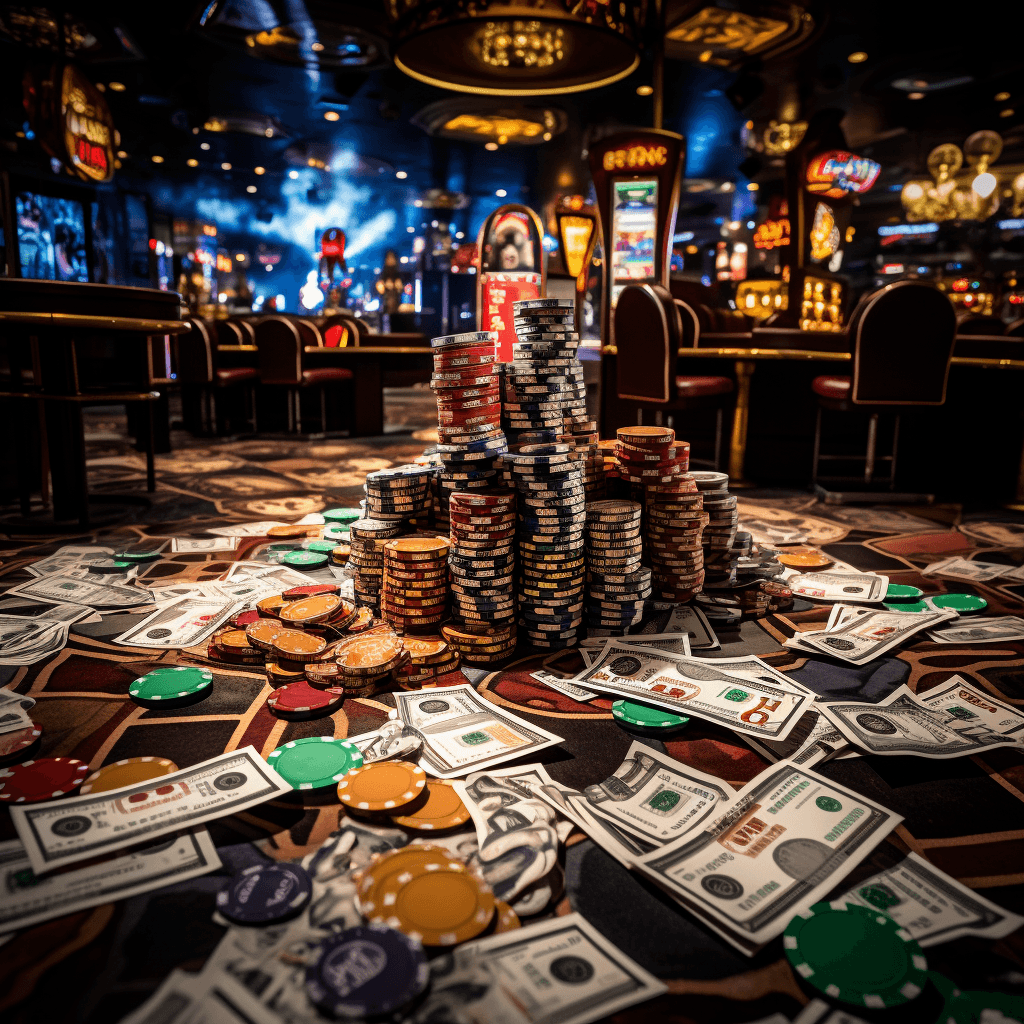
This excitement is further heightened through the use of sound and visual stimuli in casino environments. The sounds of coins dropping, the ringing of slot machines, and bright flashing lights create a sensory experience that reinforces the thrill of gambling. This multi-sensory stimulation contributes to the immersive experience, encouraging players to stay longer and return for future visits.
The Illusion of Control
Another psychological element is the illusion of control that players often feel when engaging in casino games. Many gamblers believe they can influence the outcomes through their choices or strategies, whether it’s selecting a specific slot machine or employing tactics in poker. This sense of control can intensify the enjoyment of the game and encourage continued play, as players feel that they have a say in their chances of winning.
Psychologists refer to this as the “gambler’s fallacy,” where individuals mistakenly believe that they can predict and control random events. This belief keeps players hopeful and invested, as they perceive each game as an opportunity to use their skills or intuition to secure a win, even when the odds are statistically against them.
Social Interaction and Community
Casinos also provide a unique social environment that attracts players. The social interaction found in gambling settings can enhance the overall experience, as players often engage with others who share similar interests. Whether it’s cheering for a friend during a game of blackjack or sharing stories at the poker table, these social dynamics create a sense of belonging and connection that draws individuals back to the casino.
This community aspect is particularly prominent in games that require multiple players, fostering camaraderie and competition. The relationships formed within these environments can lead to repeated visits, as players seek not just the thrill of gambling but also the social interactions that come with it.
The Psychological Impact of Winning
The experience of winning, no matter how small, has a profound psychological impact on players. Each win reinforces the behavior of gambling, leading to what is known as variable reinforcement. This phenomenon occurs when rewards are unpredictable, which can increase the desire to continue playing. The rush of winning can trigger euphoric feelings and a desire to chase those feelings by returning to the casino.
However, it’s important to note that the frequency of wins can create a dangerous cycle, leading to increased gambling behavior. Players may become addicted to the thrill of winning, resulting in a pattern of behavior that can be challenging to break. Understanding this psychological dynamic is crucial for both players and those who seek to promote responsible gambling practices.
Understanding the Resources for Players
For individuals interested in exploring the psychological aspects of gambling further, resources exist to aid understanding and promote responsible behaviors. Organizations dedicated to providing information about the risks associated with gambling can help players make informed decisions. Additionally, counseling services and support groups are available for those who may be struggling with gambling addiction.
Engaging with these resources empowers players to enjoy the thrill of casinos while being mindful of their behavior. It supports a balanced approach to gambling, ensuring that the excitement remains a source of entertainment rather than a risk to their well-being.